

Your shopping bag is empty
Go to the shopRECENT POSTS


17
Jul
News from the Grapevine
What is Smoke Taint?
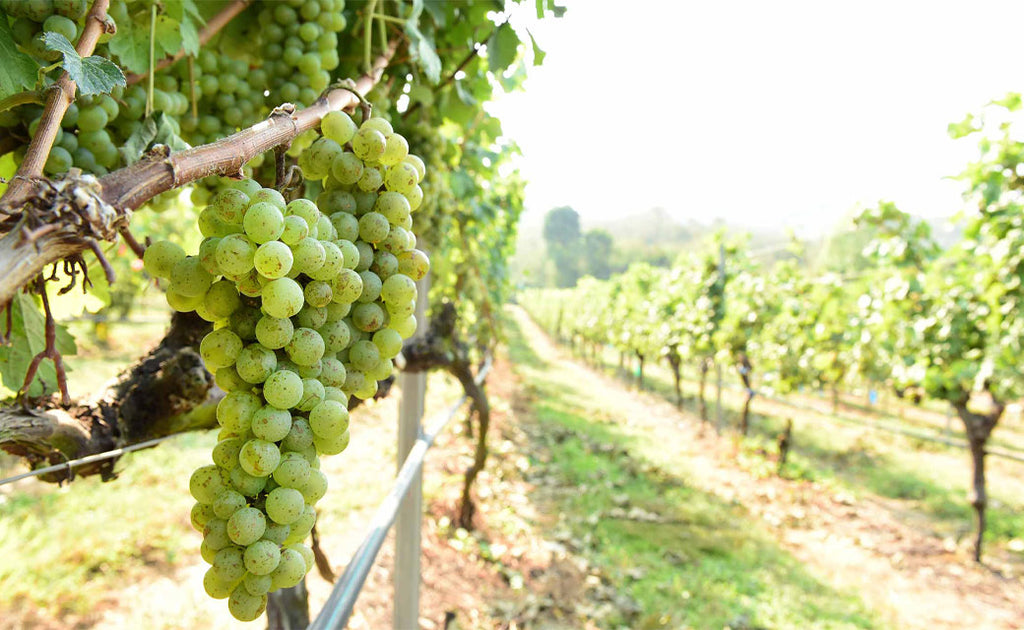
You might have heard the term ‘smoke taint’ by some Australian wine makers over the past few years, and you might be wondering what smoke taint is and how it affects your wine. Think of grapes a bit like a sponge – they are porous and can suck up parts of their surrounding environment. In Australia and the USA, the wine making process can be affected dramatically by extreme weather or events. Australia has had more than its fair share of fires in the past few years with most of our states having various fires in the past 5 years....
0 comments
16
Jul
News from the Grapevine
What Makes a Wine Buttery?
Buttery Chardonnay anyone? What are they talking about? During the winemaking process a few interesting things happen to the grapes to turn them into the delicious drinks we enjoy today! Firstly, they go through what is known as primary fermentation. This happens with all wines where yeast converts the natural grape sugars into alcohol. At this point grape varieties that are bold, fresh and zippy, such as Sauvignon Blanc, Riesling, Pinot Gris and Gewürztraminer, finish up with a few minor touches then can go off to bottling. But with all red wines and a select few whites, including Chardonnay, go...
0 comments
15
Jul
News from the Grapevine
Why Do I Get Headaches When Drinking Wine?
For some people, headaches are a common occurrence when drinking wine, but why does this happen? We’re here to help you understand why! Sulphites are used in all kinds of food production to help maintain food colour, increase shelf-life and prevent growth of fungi and bacteria. In wine production, sulphites are added to protect the wine from bacterial issues and oxidation, think of an apple being cut and left for 5 minutes, oxidation makes it go brown. Sulphites are used in parts per million or can round it up to milligrams per litre. White wine uses up to 0.8 milligrams...
0 comments
15
Jul
News from the Grapevine
What Temperature Should I Drink My Wine?
Drink red wine at room temperature and white wine cold right? Wrong! Here is our recommendation on how to get the best flavour out of your red and white wine. It is often said that red wine should be served at room temperature and white wines chilled in the fridge long before serving. These ideas really came from Europe, in particular the French, as their ambient temperatures are a lot lower than ours. An ambient room temperature in Australia is 24°c – 30°c and for reds, this is far too warm. At this temperature, red wines start losing their freshness...
0 comments