

RECENT POSTS

What Makes a Wine Buttery?
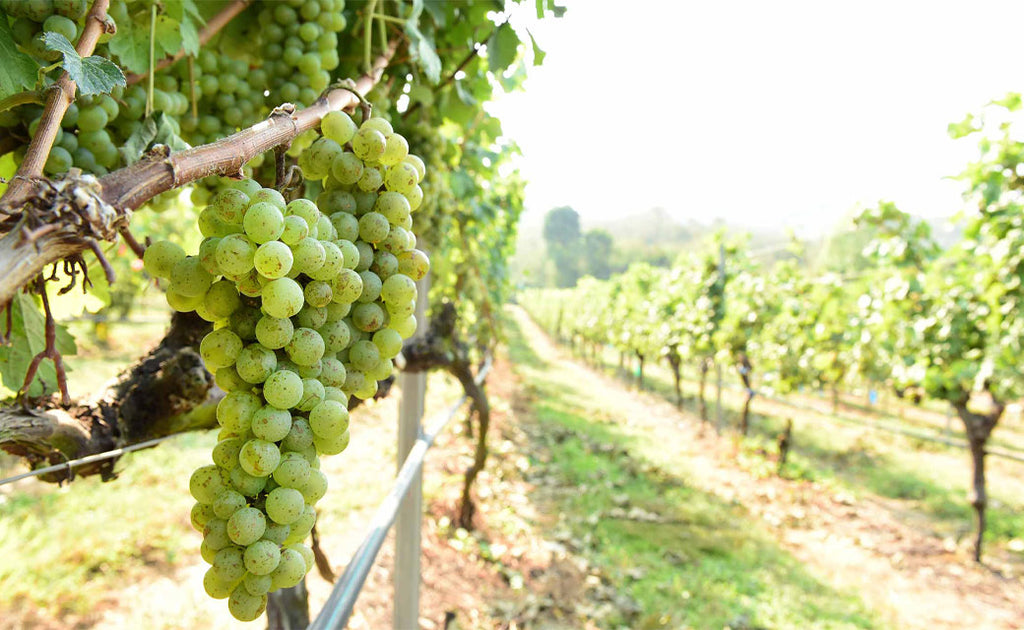
Buttery Chardonnay anyone? What are they talking about? During the winemaking process a few interesting things happen to the grapes to turn them into the delicious drinks we enjoy today!
Firstly, they go through what is known as primary fermentation. This happens with all wines where yeast converts the natural grape sugars into alcohol. At this point grape varieties that are bold, fresh and zippy, such as Sauvignon Blanc, Riesling, Pinot Gris and Gewürztraminer, finish up with a few minor touches then can go off to bottling.
But with all red wines and a select few whites, including Chardonnay, go through another process called Malolactic fermentation, this helps them have a nice full mouth feel. In this process, a bacteria called oenoccous oeni converts malic acid, which is a bright tart acid also found in green apples, into lactic acid, found in butter, yogurt and milk. This type of acid makes the wine feel softer, creamy and rounder in the mouth.
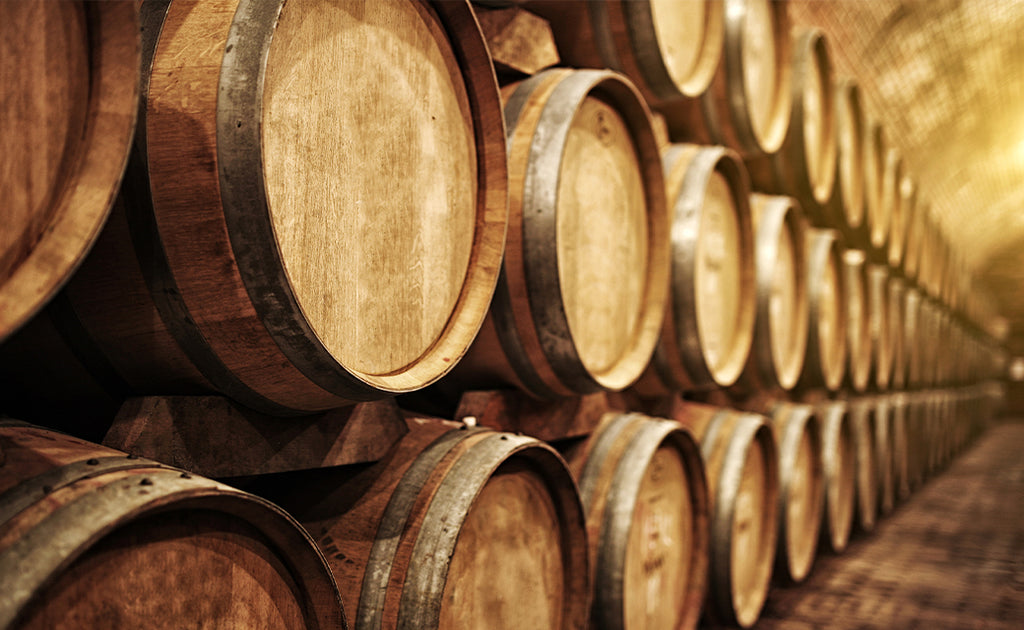
In Chardonnay, once this process has happened and the natural flavour comes through, the result is a buttery nutty character. The wine can also have a deeper flavour if it is aged in oak. However, this is all up to the winemaker – they can choose to not do this at all and have a bright zippy Chardonnay, or maybe they will let the process happen just a bit but then age in the barrel for longer. It’s an artform after all and we love these creative winemakers for all the great style they bring us each year!
In red wines if they were to go without the malolactic fermentation process, they would be extremely harsh and astringent rather than soft, approachable and purely delicious!
