
RECENT POSTS

Types of Oak and Influence
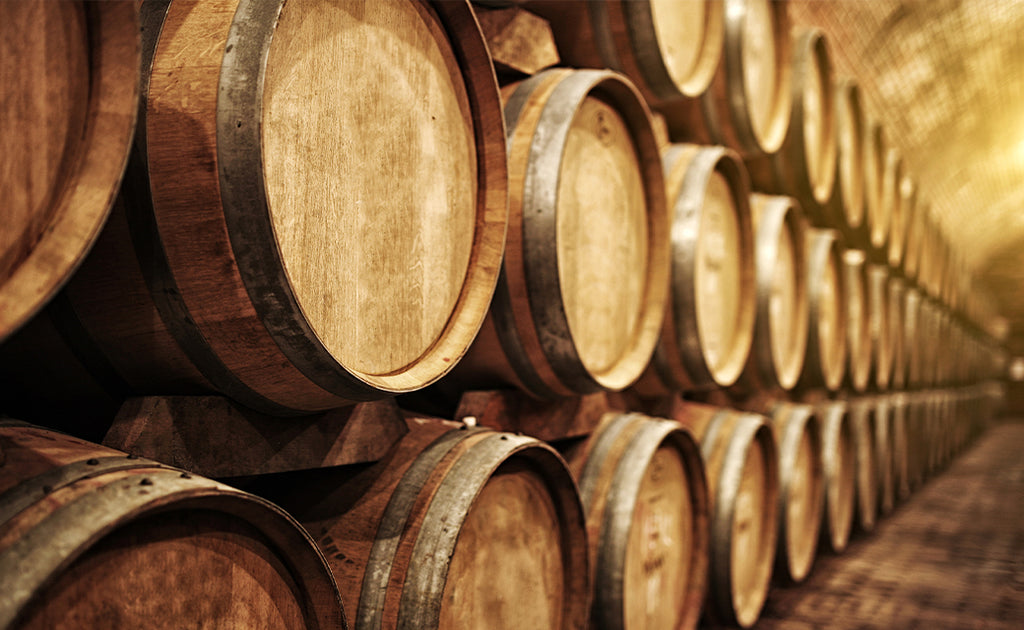
Oak is often spoken about in winemaking and in tasting notes but what is it all about? Over centuries, wood has played more and more of an important role in winemaking. It started off basically as timber vessels just to store wines. Over time winemakers found that white oak in particular, was in fact passing on flavours to the wines. They found it also added texture through tannin and helped the colour retention in wines. Winemakers began to understand which varieties of timber best held wine and which ones imparted the best and most desirable flavours. We now have three main types of oak that are used universally in winemaking. Here is a little guide as to what oaks styles are used and their overall flavour profiles to keep in mind the next time you have a glass of wine in hand.
The three most commonly used types are French Oak, American Oak and Salvinion Oak.
French Oak is quite porous and has a super fine grain. The tannins that come from French Oak are silky in texture but quite firm. The flavour profile is cashew, vanilla and tobacco.
American Oak is quite the opposite to its French counterpart. It is far less porous and dense and has a much looser grain giving a sense of creaminess. Its flavour profile is much sweeter with vanilla, coconut and sweet spices of cinnamon and cassia.
Salvinion Oak is the third most commonly used oak and is often used in Italian wine production (Piedmonte in particular). This type of oak has a tight grain which gives a medium bodied tannin giving off very little in terms of flavour. The wines that use this oak tend to show more primary fruit of the grape rather than show hints of spices and vanilla like the French and American oaks do.
Production of barrels and the time it takes to make these is very expensive which adds significantly to the total cost of your wine. Another way to impart these flavours is to use the staves in a tank of wines or to use oak chips during the fermentation and maturation process. However, the flavours aren't as well integrated using these methods and variances can be tasted, but these methods significantly reduce cost and are often used in larger volume commercial wines.
For a more indepth look at these oaks, the species and regions and how it is felled and made into barrels, head over to the Winesphere Rare site for a more in depth discussion.
